 Add us as a preferred source on Google
eCommerce has reached a great height in the market since the early 2000s. People make many online purchases worldwide each year, whether talking about sneakers, office tables, or anything you know or want. And about the past 2-3 years, lockdowns became the most crucial reason for a boom in the already developing eCommerce applications. Making purchases from these platforms became such a preferred and convenient shopping avenue.
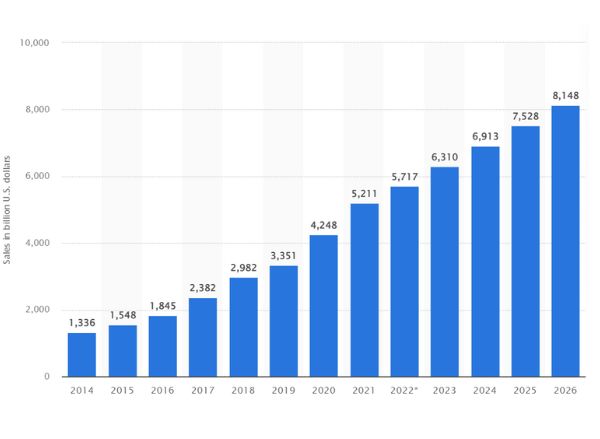
Looking around us and in our lives, we can assume the enormity of the global eCommerce business. Here is a jaw-dropping projection to give your vague idea a physical shape. According to multiple reliable sources, international e-commerce sales are expected to cross from $1.5 trillion in 2015 to $5.9 trillion in 2023. The stats indicate the multi-dimensional expansion of the e-commerce business. The secret is out now, the market is growing like a wild weed, and you can also grab your share if you opt for an m-commerce app for your business. So to know every aspect of app development, you are at the right place. Do continue reading for comprehensive information.
Why Do You Need a Mobile App for Your Online Store?
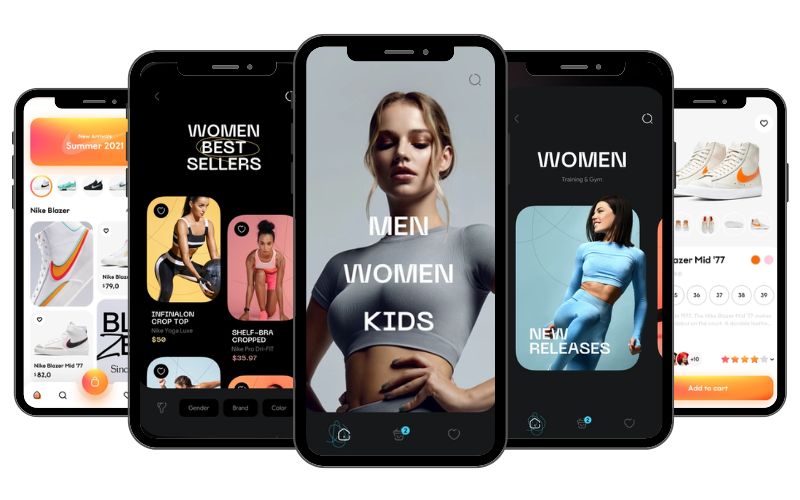
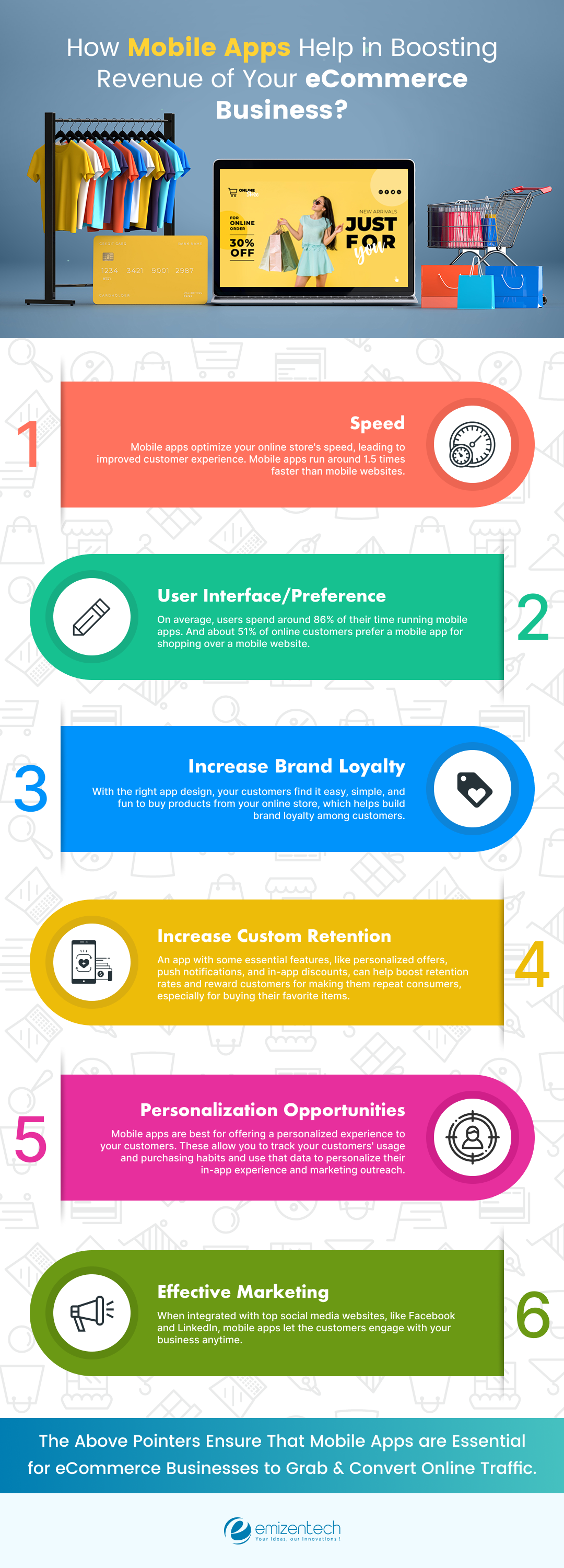
Now a question arises why do you even need an application for your online store when you already have a website to reach the audience? But do you even know that almost 96% of adults own smartphones in the United States and over 81% of the world population owns mobile phones? Most people nowadays spend most hours glued to their phones. Thus it becomes an excellent opportunity for store owners to reach them with the proper resource they can access from their mobile phones. This data and relevancy explain the answer so well here. Still stuck with the idea, do you require an m-commerce application for your business? 100% Yes! Do not worry; we have some of the best reasons to make it easy for you to help you decide on developing applications for your own business.
Some of the key benefits include:
- Increased convenience for customers: Customers can easily browse and buy products from your store at any time, from anywhere, with the help of a mobile e-commerce app. Increased sales and customer loyalty may result from this.
- Improved user experience: Compared to a mobile website, a well-designed mobile app can offer customers a more seamless and pleasurable shopping experience. This may result in higher conversion rates and greater customer engagement.
- Increased visibility: Having a mobile app can help you expand the visibility and reach of your business because customers can download and use it with ease from app stores. This could aid in bringing in more clients and raising brand recognition.
- Personalization and targeting: By utilizing information from the user’s location, browsing habits, and past purchases, a mobile e-commerce app can offer a more individualized experience for the user.
- Offline functionality: Mobile apps’ ability to function offline and store some data can be a huge benefit for users with spotty internet connectivity.
- Push notifications: Customers can receive push notifications from mobile apps, which can be used to deliver personalized offers, news, and other pertinent information.
By giving customers a convenient and enjoyable shopping experience, expanding visibility and reach, and providing crucial data for targeting and personalization, a well-designed and user-friendly Online retail app development can help your store stay competitive and grow.
Also Read: How To Develop A Mobile-Friendly eCommerce Website

Types of eCommerce Mobile App Development
1. B2C (Business-to-Consumer) Digital Mobile Apps:
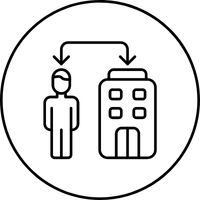
As the name suggests, such applications serve their purposes in business to the customer system. It means that there is an eCommerce mobile app that sells goods and services directly to individual customers. Such apps can provide products for fashion, education, electronics, and other industries. Either you can develop one large, all-inclusive marketplace like Amazon, or you can go for a niche-based shopping app that only sells stuff related to one industry.
2. B2B (Business-to-Business) eCommerce Apps:
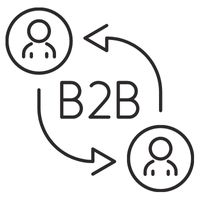
The B2B eCommerce mobile apps mainly comprise apps used for purchasing between business-to-business purposes only. The best example of such an app is eWorldTrade, where companies and individuals can buy goods in large quantities. Such a marketplace is not limited only to shopping in large amounts. These marketplaces can sell items of large capacities as well. For example, such platforms may also sell large machinery and equipment for industrial purposes. The scope of such applications is limitless.
3. C2C (Consumer-to-Consumer) eCommerce Apps:
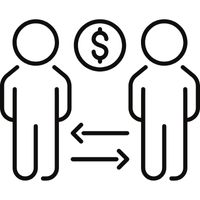
So talking about C2C focuses on the business’s purpose to the customer system. It works as a business model where one customer purchases goods or products from the other customer from a third-party company or platform. This helps the sellers reach a vast number of potential buyers. Some of the most common examples of the C2C mobile application can be Etsy, eBay, and many more.
4. m-Commerce Apps:
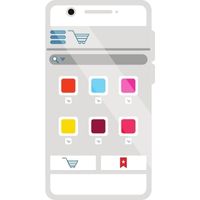
These apps allow users to shop and make purchases using mobile devices. These are examples of user-friendly apps. Businesses are moving in this direction to have more visibility in the market with the customers. And so are optimized for smaller screens and touch-based interactions.
5. In-App Purchase Apps:
In-app purchase (IAP) refers to the ability for mobile app users to purchase additional content, features, or virtual items within the app, rather than having to pay for the app itself. This allows app developers to monetize their apps by offering additional value to users. It can also help increase engagement and retention by enabling users to access new content or features. In-app purchases can be made using various payment methods, such as credit cards, debit cards, or mobile wallets. They can also be made using virtual currency or tokens, often used in gaming apps.
6. Subscription-Based Apps:

Subscription-based apps are mobile apps that require users to pay a recurring fee, typically on a monthly or yearly basis, to access their full functionality or content. These apps usually offer a free trial or a limited version to allow users to test the app before subscribing. Some examples of subscription-based apps include Apple Music, Netflix, and Hulu.
7. Marketplace Apps:
Marketplace apps are mobile applications that connect buyers and sellers of goods or services, similar to an online marketplace like Amazon or eBay. These apps usually facilitate transactions and provide a platform for users to buy and sell items. Some examples of marketplace apps include Uber, Upwork, fiver, and many more.
8. On-Demand Apps:

On-demand apps, also known as “Uber for X” apps, refer to mobile applications that allow users to request and receive a service or a product in real-time. These apps are designed to make it easy for users to access a particular service or product without planning. Some examples of on-demand apps include Glamsquad, Handy, and Rover.

Benefit of Creating an App for Your Ecommerce Store
There can be multiple benefits associated with online store app development, some of the most common ones we have listed.
1. Brand Recognition
One of the best advantages of creating an ecommerce application is increased brand visibility. It is an easy way to create a bond between customers and the brand, as most customers spend a lot of time online on their mobile phones. They often share the service and the things they find captivating in the application for the review or if they are stuck deciding. Or whether they like it so much. So sharing more and more can also make different people visit and install the application and automatically increase the recognition of the brand.
2. Detailed Analytics
So here comes the easy way to reach out to customers. Creating a mobile shopping app can include many features customized by knowing the company’s requirements. Application usage allows you to monitor the customers’ activity and extract critical information to make the app more relevant and user-friendly, create personalized content, and develop many marketing strategies in an advanced manner. You can also add pop-ups and promotional discounts or coupons for particular people according to the time they spend there to promote positively.
3. Contactless Payments
It makes the payment process a lot easier for the customer. A solution that gives the business and the customer control over payments and communication through text and the internet raises overall customer satisfaction to encourage repeat business. Customers like how simple it is to use their phone as a form of payment without having to download an app or remember another password to a website. Offering more convenient ways to pay boosts business revenue and satisfies customers at checkout with a straightforward click-to-pay method. Any company that wants to remain competitive in the modern digital world must prioritize removing customer friction.
4. Better Efficiency and Increased Revenue
Mobile phones are considered the most user-friendly devices for people and are one of the easiest ways of spreading business to a bigger crowd. Despite being a little complex process, the execution is the reason for increasing sales significantly. The concept is pretty simple: the more customers, the more the order will be placed, which means more profit for the company. You can also add multiple features like push notifications and reminders of the sales and discounts to encourage the customer to visit at a particular time. Having a look will also result in better order efficiency.
5. Reduced Cart Abandonment Rates
It is noted that when the customer gets the perfect and easy process of checkout, it lowers the abandonment rates. It also allows the customer to track the order as it feeds the details of the payment and shipping. This allows customers to trust the application and also rely on it. And this will also result in boosting sales, and more customers will come well-prepared and may buy from the store upon reaching it.
Why Mobile Application Development Is Important In Today’s Scenario
Which eCommerce Platform to Prefer for Developing Mobile App?
Choosing the right platform for your ecommerce business is an essential step in ecommerce app development. There are some features that users look for to include in the store app of their business, such as user-friendly, convenient checkouts, easy payment options, wish list sections, and an accessible platform, and the place people prefer the most is mobile phones. But choosing the best one for your business seems a daunting task. Don’t worry; we have listed some of the best platforms you can select to make an ecommerce app for your business and add appropriate features.
| Platform | Description |
| Magento/ Adobe Commerce | It is built on the Magento open-source e-commerce platform and is now owned by Adobe. It has built-in SEO functionality, advanced analytics and reporting, and multiple languages and currencies support. |
| Shopify | Often you can confuse shopware and shopify, but they are different from each other, though many features are the same. Shopify is a paid ecommerce platform known for its ease to use and set-up features. |
| Shopware | It is an open source ecommerce platform that is built in the PHP programming language and uses the symfony framework. With all the common features, it also provides a good amount of customized templates and plugin systems to increase functionality. It also supports POS systems. |
| Woo commerce | It is a free ecommerce plugin for WordPress that provides multiple features. Such as product management, shipping options, inventory management, and many more. |
| Big Commerce | It is a SaaS platform for ecommerce that allows businesses to manage their online store for your business. It is similar to woo commerce, but it is not a free plugin and provides some extra detailed features. |
General Features Required In the mCommerce App Development
| Customer Panel | Vendor Panel | Admin Panel |
|---|---|---|
| Register | Login | Flawless & Organised Customer Management |
| Book your service | Register | Service Management |
| Product Details | Subscription | Inventory Management |
| Reviews & Ratings | Receive Orders | Earning & Cost Management |
| Login | Dispute feature | Selling Management |
| Cart | Reviews & Ratings | Customer Management |
| Search and Result | Profile | Reporting & Analytics |
| Payment Methods | Membership | Handling Categories & Subcategories |
| notifications | Product Listing | |
| My Profile | Cost and Order Management | |
| Register | Notifications | |
| Shipping integration | ||
| Checkout |
Click here for a full list of eCommerce Mobile App features (PDF)
Ongoing E-Commerce Trends
1. Big Data
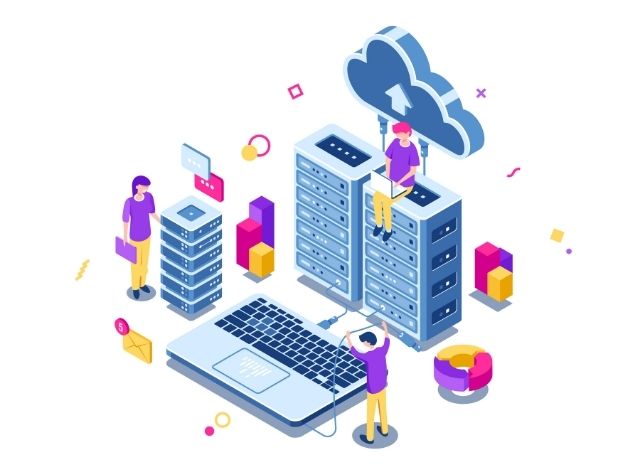
As the number of users in this industry grows daily, big data algorithms are becoming more critical for ecommerce app development. For example, if we discuss any shopping application, it starts predicting what you want to buy next and recommends products that you might like. This raises questions like “How did the app know what you like? “Well, these days, it is hardly a secret to the application what you want as they use trackers to track users’ actions and use big data algorithms to make a relevant recommendation.
2. AR Experience

Augmented Reality is the pathway between in-store experience the ecommerce shopping. It allows the customer to choose the product in their preferred condition and select the right product for the first time, including features like online try-on, interactive user manual, and social media filters.
The Impact of AR and VR on eCommerce: A Look at the Future of Shopping
3. One-click purchase
It is user-centric and is a must for online app store development. It allows the user to purchase multiple times without entering the payment details numerous times and can purchase the items in one click. This also encourages them to have a better buying experience and business revenue.
4. Chatbots
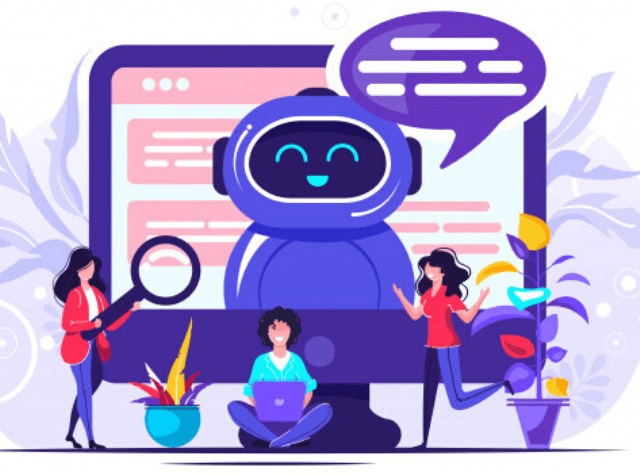
It is less beneficial when there is the presence of AI and VR, but it needs to consider the things that can be done using chatbots. It gives the users a personalized approach to the company and allows them to connect with the team 24*7 whenever they find any difficulty regarding any product.
5. Social Media Commerce
The ecommerce platform is more into the trend of social commerce these days. Here also, the user experience plays a vital role. The businesses integrate with social media websites and allow the users to purchase the products while browsing the platform. Social commerce allows the user to buy the thing in one click right at that moment and helps track that.
6. Metaverse
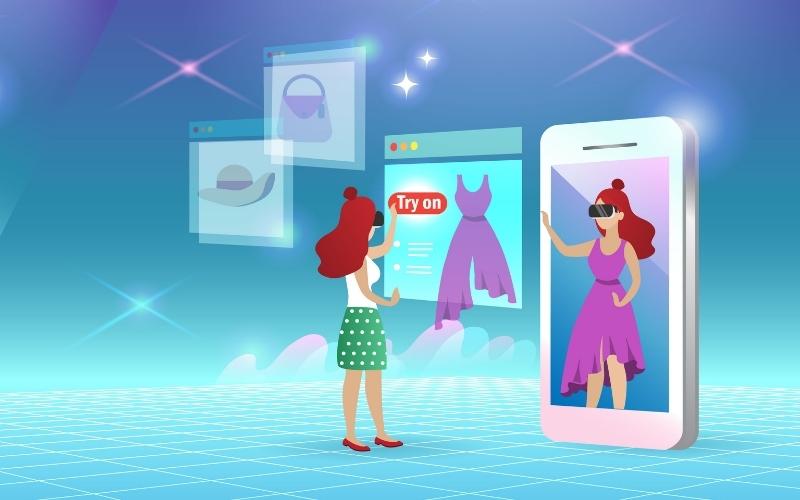
The metaverse is the combination of connectivity between the virtual enhanced physical Reality and physically persistent virtual space. So to get access to the virtual world, it is much needed to use virtual and augmented Reality with the help of specialized intelligent glasses and headsets. With the help of VR, the user can experience 360-degree experience in computer technology.
7. Blockchain
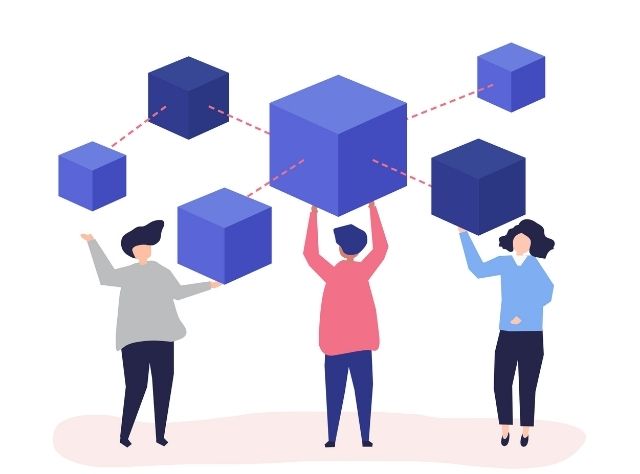
Blockchain is a distributed record of transactions that make it easier to track assets and record transactions in a business network. An asset may be physical (such as a home, car, money, or land) or intangible (intellectual property, patents, copyrights, branding). It also allows people to pay for different things like tolls, parking, etc.
8. IoT

It is the network of physical objects embedded in the sensors, software, and many other technologies that facilitate communication between the devices and the cloud. Due to some high bands and computer chips, it is possible to have many devices connected to the internet. Even daily-use products can also be managed with the help of the IoT. Things are getting smaller and more innovative due to the presence of IoT. Some examples of IoT in the eCommerce business are voice support and beacon alerts.
How the Internet of Things (IoT) can help your eCommerce Business?
9. CRM (salesforce)
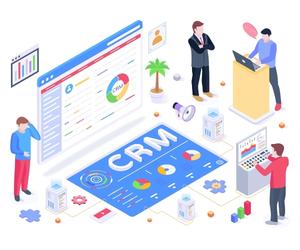
Customer relationship management is the way to manage the relationship and interaction between the interaction with customers and potential customers. The goal is simple here to improve the relationship of the business. It helps in enhancing profitability, streamlining processes, and also stay connected to the customers. One of the most used is salesforce CRM. It is often used to analyze customers’ data and will make more informed decisions.
10. AI

It is the process of making the machine integrate in this way so that they can think more relevant as humans. It makes the device capable of doing things an average human can do, like visual recognition, decision-making, and many more. You can integrate the AI in the ecommerce app with these functions. Voice Support, Image Search, AI-Powered Chatbot, User Behavior Tracking, Product Recommendation.

How to Develop an E-Commerce App?
Now that you know the trends, let’s go through the steps to build an ecommerce mobile app.
Step1- Plan and Requirements
The first thing you have to start with to create an ecommerce app for the business is writing the requirements and then creating a plan of what items you want. To keep the whole process organized and structured, it is required to have a plan prior. You can get things done faster and better by sticking to a good and prepared plan. To explain all your needs to the design team, all the design and development things must be appropriately noted. Generally, this list can have these types of things to be included.
- Main needs and goals
- Overview of a complete project
- The audience you are targeting
- Features required to add
- Non-functional details
- Prohibitions and recommendations
- Questions
(There are multiple platforms you can choose from to develop your application for ecommerce, like Magento, open-source/ adobe commerce, shopify, shopware, bigcommerce, woo-commerce, etc.)
Step2- Select Your Development Partner
Now when you complete all your process of collecting and making the list of the data required to put in the application. You currently have to proceed to the next step: choosing a good eCommerce app development company that can provide you with a professional team that can provide you with the perfect application for your project. Now the point that arises here is how to find an ideal couple. Here is some point you can find a group in several ways:
- You can take the help of social networking sites.
- Compare the services of the top-ranking site.
- Look for good reviews and qualified people
- Choose Emizen tech for fruitful collaboration!
Step3- eCommerce Product Discovery
Product discovery is the process of studying the target audience, their requirements, and their expectations. The information obtained helps make high-quality, profitable, and fast application development in this process. At this time, it is necessary to have better communication between the team and the company. The things included in this process are when the project is handed to a good development team.
- Discussion of the project in the in-house team to fulfill all the needs of the ecommerce company.
- Competitive market analysis
- Setting deadlines according to the complexity and the requirement.
This helps the entire team to work together and involves all of them together, like the product manager, UI/UX developer, solution engineer, or architect, and required qualified experts in the project.
Step4- Building a UI/UX design
The experience in ecommerce must go beyond in-person shopping, so to enhance these things, you have to go for the ecommerce UI/UX design to stand out among the others. The design at the end will be your business voice, what you will show to the customers. Smooth transitions, color schemes, and appealing visuals are some of the things that can instantly grab the attention of the customer landing on your application. It is the thing that can make or break something in the first impression. So focus on this feature to make things perfect for the application.
Step5- Design an MVP
A minimum viable product is a version of the application that offers the primary function of the application on which it can run. It is the way of testing the application for trial purposes. This reduces and saves the long-making process and money also at the same time. This also helps to know what things are required and how things will work in the full-fledged mobile application. This gives a chance to correct, add or remove items that are not important to users.
Step6- Gather Feedback
Once the MVP is ready, it’s time to take the feedback from the real audience by introducing this application version to the actual audience. When it is introduced among these, here comes the real challenge as the user will face the difficulties that must be corrected in the application, and after all the things are resolved, then comes the work of doing the work on the full-fledged app development.
Step 7- Maintain and Launch the Application
This is the last step of the application development when you have an MVP ready for the application. And after gathering all the feedback from the audience and everyone, it’s time to do the work on the full-fledged ecommerce mobile app development. This will improve the quality and reach of the application.

Techstack to Make an eCommerce Mobile App
The technology stack used to make an eCommerce mobile application can vary depending on the specific requirements and goals of the project, as well as the expertise of the development team. However, some standard technologies and tools that are often used in the development of eCommerce mobile apps include:
| S.No | Types | Example |
| 1. | Programming language | Java or Kotlin for Android appSwift or Objective-C for iOS app |
| 2. | Framework and Libraries | React Native, Xamarin, or Flutter for cross-platform app development |
| 3 | Databases | MySQL, MongoDB, or Firebase for storing and managing product and customer data |
| 4 | Payment Gateway Integration | Stripe, PayPal, or Square for processing transactions |
| 5 | Push Notification and In-app messaging | Firebase Cloud Messaging or OneSignal for communication with customers and keeping them engaged with the app. |
| 7. | Analytics and Tracking | Google Analytics or Mixpanel for monitoring app usage and customer behavior |
| 8. | Cloud Services | Amazon Web Services or Google Cloud Platform for hosting the app and managing its infrastructure. |
How Much Will It Cost to Develop an Ecommerce Mobile App?
The eCommerce app development cost depends on the scope of work, development approach, features, technology stack, and the chosen team. However, we can only give an estimated development rate that can range from $9000 to $100,000. The rates can also fluctuate according to the changes and customized features included in the application and how big the project is. The type of operating system of the mobile phone is also one of the factors for the increase or decrease of the development rate.
How Can Emizentech Help You in the Development of the Ecommerce Mobile App Development?
If you are searching for an eCommerce app development company to refer to for your ecommerce business app development, then you are at the right place. Emizentech has over 250+ best-qualified experts in respective fields that can provide you with a customized eCommerce application that can boost your business in the market. The process can be very smooth and two-sided. You can contact our team 24/7 anytime you face any difficulty or want to add things to your application. You can also avail many exciting benefits other than this.
Conclusion
Improving accessibility and convenience for customers by creating an ecommerce mobile app can also help your business grow immensely. A well-designed and user-friendly app can give your business a competitive edge, given the growing number of consumers who use mobile devices for online shopping. It is often critical to collaborate with an ecommerce app development company and tell your unique requirement.
We at Emizen Tech ensure you give the best service and take care of all the requirements by providing expert assistance to make your business shine at the top. Yes, a perfectly built app can increase customer engagement and boost sales for your company.
Want to develop your eCommerce application? You can contact us for a free consultation with your unique ideas and for the best outcome.
Frequently Asked Questions
How long does it take to make a mobile commerce app?
Thus we cannot say the exact timing of the development, and the making period depend upon the features and customization. Still, with the help of experienced and qualified developers, you can get your application MVP prepared in 6 to 8 weeks from the beginning of the process.